How to Plan a Destination Wedding
 MySeatPlan
·
MySeatPlan
·
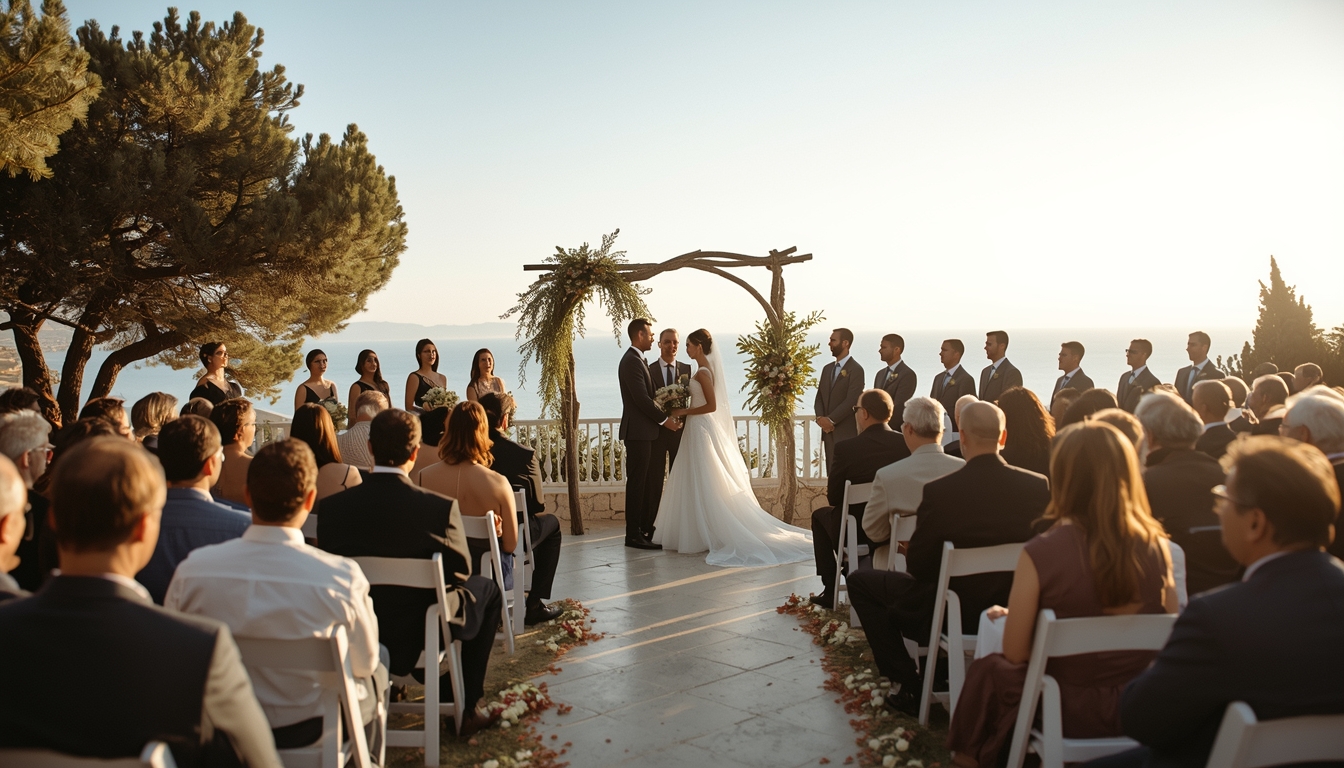
A destination wedding sounds romantic until you start planning one from 4,000 miles away. Here's the practical playbook for picking the location, handling paperwork, and pulling it off without burning out.
Ready to create your own event seating chart?
Try our free drag-and-drop seating chart builder.
Get Started →A destination wedding sounds like the elegant solution: skip the hometown logistics, pick a beautiful place, gather the people you actually want there, and let the location do the heavy lifting. In practice, planning a wedding from a different country (or a different time zone) introduces a whole new set of problems. Travel logistics for guests, legal paperwork, vendor coordination by email, and a seating chart you have to finalize without ever standing in the room.
This is the practical playbook for planning a destination wedding that actually works. It covers picking the location, handling the legal side, managing guest logistics, working with vendors remotely, and the small details that get missed when half your planning happens in a different country.
Why Couples Choose Destination Weddings
Before getting into logistics, it helps to be honest about why you're doing this. Destination weddings work for three reasons:
- Smaller, more meaningful guest list. Travel naturally filters the list. Your closest people will come, casual acquaintances won't.
- The location does the work. A vineyard in Tuscany, a beach in Mexico, or a chateau in France brings its own beauty. You spend less on decor.
- It feels like a vacation for everyone. The wedding becomes part of a 3 to 5 day shared experience, not a single afternoon.
If your reasons are different (avoiding family, escaping a complicated dynamic, just wanting it to be exotic), revisit. Destination weddings amplify whatever motivation you bring to them. They don't fix it.
Pick the Location First, Everything Else Follows
The location decision drives every other decision: budget, guest count, vendors, legal paperwork, even what you can wear. Pick it first, and pick it carefully.
The questions that matter
- How easy is it to fly to? Direct flights from your major guest hubs matter more than you think. A 14-hour journey with two layovers cuts your guest count in half.
- What's the marriage law? Some countries make it nearly impossible to legally marry as a foreigner (long residency requirements, in-person paperwork, translated documents). Many couples handle the legal marriage at home before the trip and treat the destination ceremony as symbolic. This is far more common than people realize.
- What's the season and weather? Hurricane season in the Caribbean (June to November), monsoon in Southeast Asia, brutal heat in Italy in August. Check the calendar.
- What's the local infrastructure for weddings? Some destinations (Cabo, Tuscany, Santorini, the Riviera Maya) have entire wedding industries. Others have one good photographer in a 200-mile radius. The first kind is much easier.
- What's the cost of living and currency exchange? A wedding in Mexico or Portugal can cost half of one in the US. A wedding in Switzerland costs 30% more.
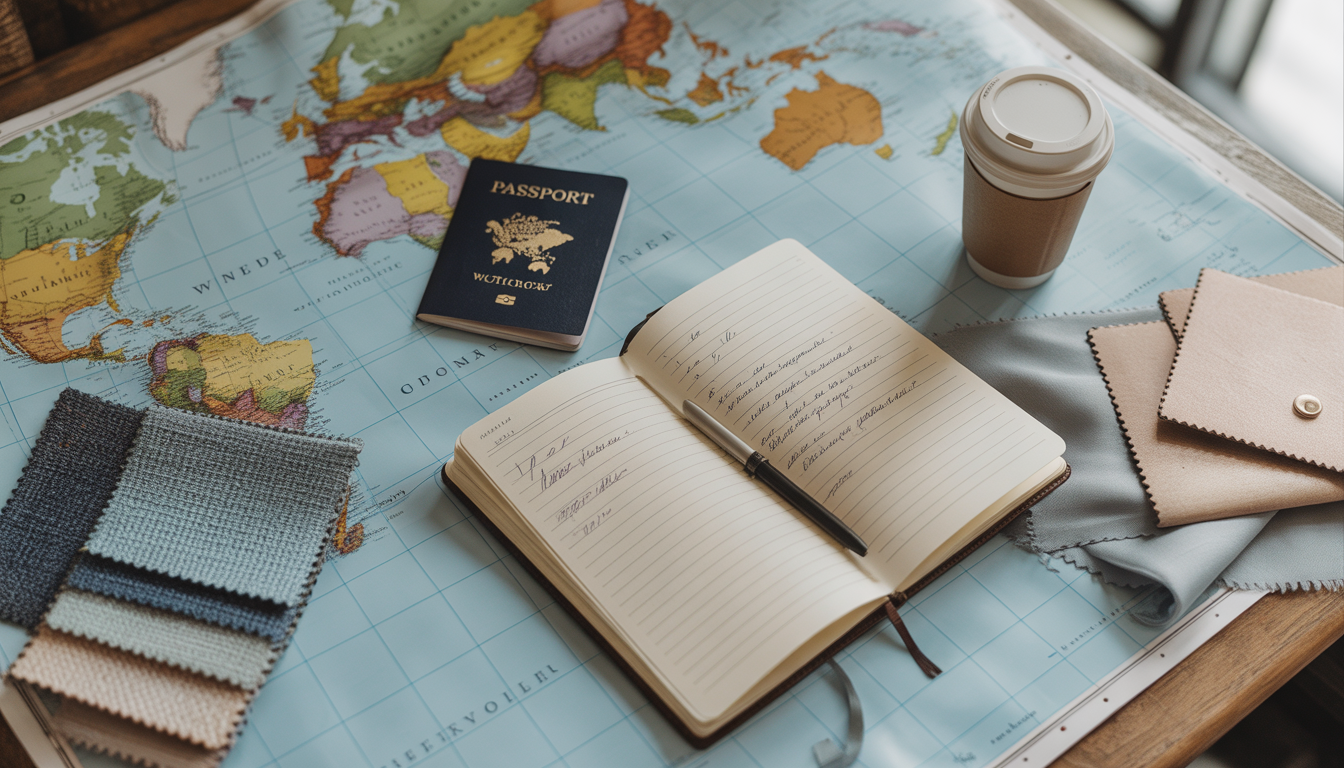
Popular destination wedding regions
| Region | Strengths | Watch out for |
|---|---|---|
| Mexico (Cabo, Tulum, Riviera Maya) | Easy from US, all-inclusive resorts, strong vendor scene | Hurricane season June-Nov, can feel touristy |
| Caribbean (Bahamas, Jamaica, DR) | All-inclusive resorts, simple legal process in many countries | Hurricane season, package weddings can feel cookie-cutter |
| Italy (Tuscany, Lake Como, Amalfi) | Stunning scenery, great food, mature wedding industry | Expensive, complex legal marriage process, August is too hot |
| Greece (Santorini, Mykonos, Crete) | Iconic backdrops, summer reliable, manageable cost | Limited vendor pool on smaller islands, peak crowds |
| Portugal (Lisbon, Algarve, Douro) | Affordable, English-friendly vendors, year-round | Less wedding infrastructure than Italy |
| France (Provence, Côte d'Azur, Loire) | Romantic, world-class chateaux, polished vendors | Expensive, language barrier outside Paris, August closures |
| Hawaii | No passport needed for US guests, dependable weather | High cost, long flights from East Coast |
The Real Cost of a Destination Wedding
The myth: destination weddings are cheaper. The reality: the wedding itself is often cheaper, but the total cost (including travel, accommodations for the wedding party, welcome events, and longer time off for vendors) can match a domestic wedding for the couple, while costing each guest significantly more.
A realistic budget breakdown for a 40-guest destination wedding:
- Wedding venue and catering: $8,000 to $25,000 depending on country
- Photography and video: $4,000 to $8,000 (often imported from the couple's home country)
- Travel for the couple, multiple trips: $3,000 to $6,000
- Accommodation for the wedding party (if you're covering it): $2,000 to $10,000
- Welcome events (rehearsal dinner, post-wedding brunch): $3,000 to $8,000
- Local planner or coordinator: $2,500 to $7,000 (essential, not optional)
- Florals, decor, signage: $2,000 to $6,000
- Total range: $25,000 to $70,000
Compare to a domestic wedding on a budget for the same guest count, and the math is closer than the marketing suggests. The difference is what guests experience: a 3-day trip vs. a single afternoon.
The Legal Side
This is where most couples get tripped up. Marriage law varies enormously by country, and many destinations require:
- Several days or weeks of in-country residency before the ceremony.
- Documents translated into the local language by a certified translator.
- Apostilled or notarized birth certificates and proof of singleness.
- Civil ceremonies that must take place at a registry office, not your venue.
- Witnesses who are over a certain age and have valid local ID.
The simple solution most destination couples use: get legally married at home before the trip, in a small civil ceremony with two witnesses. Then have the destination ceremony as a symbolic one. Your photos look the same, your vows mean the same thing to you, and you skip 6 months of paperwork. This is the standard playbook for couples marrying abroad, and it's not "less real" because the legal piece happened separately.
If you do want a fully legal destination wedding, hire a planner in the destination country who specializes in this paperwork. Don't try to navigate it from your laptop.
Guest Logistics: The Most Underestimated Part
Domestic weddings, your guests show up. Destination weddings, you're effectively asking each guest to take 3 to 5 days off work, spend $1,500 to $4,000 of their own money, and make travel decisions months in advance. Treat the logistics as part of your planning, not an afterthought.
Send save-the-dates 9 to 12 months out
Earlier than a domestic wedding. Guests need time to book flights, request time off, and budget. Include the destination, the date, and a website URL.
Build a real wedding website
This becomes your central hub. Include:
- Travel and flight information
- Recommended hotels and group rates
- Visa or passport requirements
- Local currency and tipping norms
- Dress code and weather expectations
- Daily schedule (welcome dinner, ceremony, brunch)
- Transportation between airport, hotels, and venue
Block hotel rooms
Negotiate group rates with 2 to 3 hotels at different price points. Don't lock everyone into one resort, especially if you're at a destination with cheaper alternatives nearby.
Plan the welcome event
Most destination weddings include a welcome dinner or cocktail event the day before the wedding. This serves as both the rehearsal dinner and the first formal gathering. Our guide to rehearsal dinner seating covers how to handle this when both families are meeting for the first time.
Expect a 50 to 65% RSVP rate
Domestic weddings, you can expect 80 to 85% of invited guests to attend. Destination weddings, plan for 50 to 65%. Our guide to how many people to invite to your wedding covers the math, and it cuts much harder for destination weddings because of travel cost.
Coordinating Vendors From Far Away
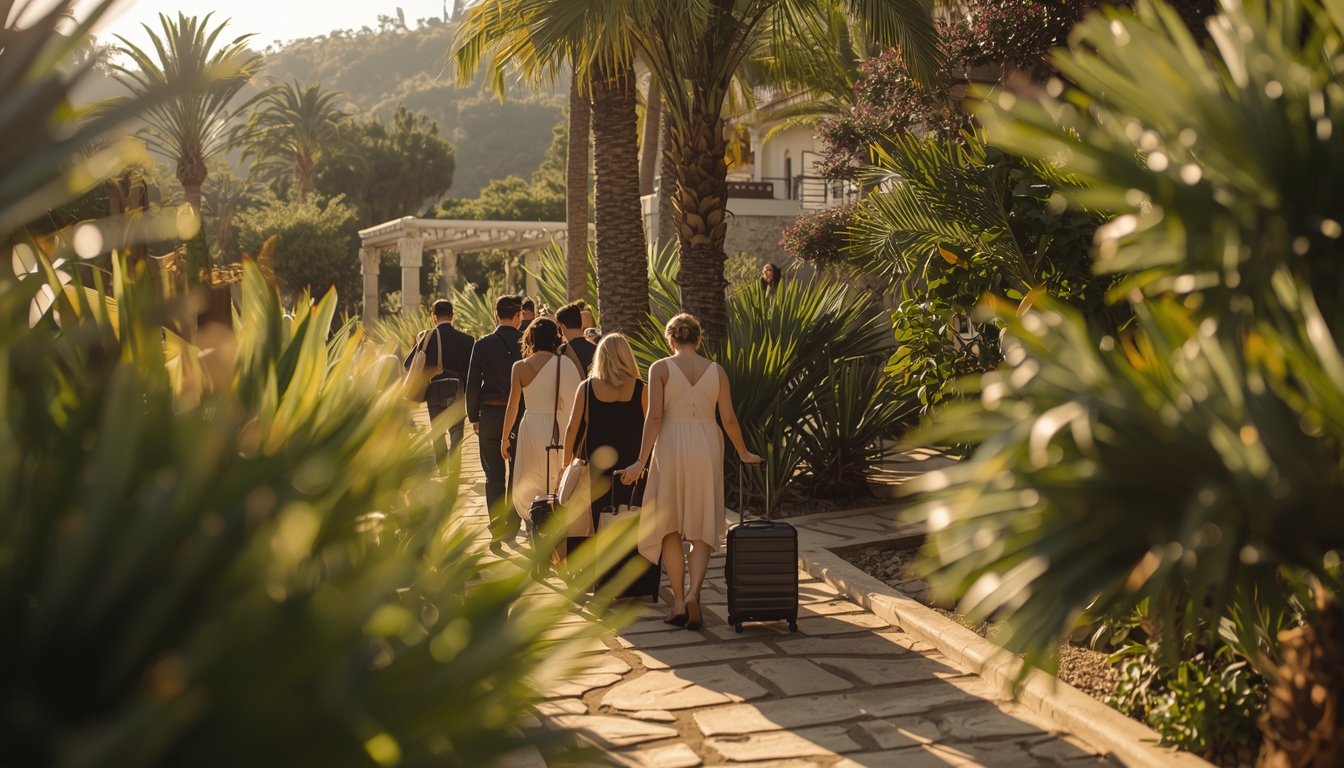
You can't drop into your florist's studio when you're 4,000 miles away. The trick is to compress in-person work into 1 or 2 trips, and rely on your local planner for everything else.
The local planner is non-negotiable
For any destination wedding, hire a local planner. Not a "destination wedding planner" based in your home country, but someone who lives where the wedding will happen. They know the venues, the vendor pool, the legal quirks, the language, and the actual currency conversion. Budget $2,500 to $7,000 for this person and consider it the best money you'll spend.
Plan one site visit, two if you can
Visit the destination at least once, ideally twice:
- Visit 1, 9 to 12 months out: Tour venues, meet the planner, lock in the venue and date.
- Visit 2, 3 to 4 months out: Tasting, meet the florist and photographer, finalize details, visit accommodations you're recommending to guests.
If you can only do one visit, do visit 2. The first one can happen via video and trusted planner recommendations.
Lock vendors early
Photographers and florists who work weddings in popular destinations book out 12+ months in advance during peak season. Lock yours as soon as you have the venue.
Decide whether to fly in your own vendors
Some couples bring their hometown photographer, hair and makeup artist, or band. Pros: consistency, comfort, a vendor who knows your style. Cons: travel cost, jet lag affecting their work, no local backup if something goes wrong.
The most common compromise: fly in the photographer (because the relationship matters), use local everyone else.

The Schedule: A Wedding Becomes a Long Weekend
Domestic weddings are an afternoon. Destination weddings are a 3 to 5 day event, and you'll plan something for each day.
| Day | What's happening |
|---|---|
| Day 1 (Thursday) | Guests arrive. Welcome bags at the hotel. Optional informal cocktail. |
| Day 2 (Friday) | Group activity (boat trip, vineyard tour, beach day). Welcome dinner / rehearsal dinner in the evening. |
| Day 3 (Saturday) | Wedding day. Ceremony, reception, late-night party. |
| Day 4 (Sunday) | Farewell brunch. Guests start heading home. |
| Day 5 (Monday) | Couple stays for honeymoon, or transitions to one. |
Don't over-plan. Guests need free time to explore on their own, eat at restaurants you didn't book, and recover from travel. A schedule of 1 anchor event per day is plenty.
Welcome Bags and Logistics for Guests
Welcome bags at the hotel are a small touch with outsized impact. A typical bag includes:
- A printed schedule of events
- Local snacks (a good local chocolate, fruit, water bottles)
- A hangover kit (pain reliever, electrolyte drink, granola bar)
- A simple map of the local area with your favorite restaurants and bars marked
- Sunscreen, a local sim card, or anything specific to the destination
- A handwritten thank-you note
Coordinate with your hotels to deliver the bags to each guest's room on check-in. It's a small lift for the hotel and a memorable arrival for guests.
Seating From Afar
The seating chart for a destination wedding is harder than a domestic one because:
- You haven't seen the room.
- Your guest count is more uncertain (cancellations happen later for travel reasons).
- You can't easily walk through the layout with the venue manager.
The solution is a tool that lets you build a digital floor plan and arrange tables visually before you've ever stood in the venue. Get the venue's actual room dimensions and table count from your planner, build the chart digitally, then walk it through with the venue on your second visit. MySeatPlan's drag-and-drop seating chart builder works well for this because you can iterate from anywhere, share a link with your planner, and export an updated chart whenever guest changes happen.
For the etiquette side of seating, our wedding seating chart etiquette guide covers the rules that don't change just because the wedding is overseas. And our step-by-step seating chart guide walks through the order of operations once your guest list is locked.
The Wedding Day Itself
The wedding day mechanics are roughly the same as a domestic wedding (see our ultimate wedding day checklist for the hour by hour). But destination weddings add a few specific considerations:
- Heat and humidity. If you're in a warm-climate destination, schedule the ceremony for 4 to 6 p.m., not noon. Guests in formalwear in 95°F heat is a problem.
- Sun protection. Provide parasols, fans, or a covered ceremony space. Sunscreen at the welcome bag.
- Power and AV. Outdoor venues sometimes have unreliable power. Confirm the generator, the speakers, and the lighting plan with the venue, in writing.
- Plan B for weather. Outdoor weddings in tropical or coastal locations need a real indoor backup. Confirm 5 days out.
- Food safety. If you're worried about traveler's stomachs, brief guests in advance about water, ice, and what to avoid. A sick wedding party is no joke.
Common Destination Wedding Mistakes
- Picking a destination because it's beautiful, ignoring the logistics. Bali looks stunning. Flying 22 hours with 75-year-old grandparents does not.
- Skipping the local planner. The single biggest reason destination weddings go wrong.
- Underestimating the legal paperwork. Get legally married at home unless you've confirmed every requirement of the destination's marriage law.
- Sending invitations too late. Save-the-dates need to go out 9 to 12 months in advance.
- Inviting everyone you would for a domestic wedding. Destination weddings work best with smaller, intentional guest lists. Don't invite 200 people expecting 50% to come.
- Forgetting that guests need free time. An over-scheduled weekend feels like a corporate retreat.
- Not budgeting for multiple events. Welcome dinner, wedding, and brunch are all on you.
- Outdoor ceremonies without a Plan B. Weather will come for you eventually. Be ready.
- Failing to coordinate transportation. Guests are unfamiliar with the area. Shuttles between hotels, ceremony, and reception remove a lot of friction.
- Trying to plan it without a wedding website. A central place for travel, accommodations, and schedule is essential, not optional.
The Honeymoon Question
Most destination weddings transition into the honeymoon, but not always at the same destination. Three options:
- Stay where the wedding was. Move to a different hotel for privacy, sleep for 12 hours, then explore.
- Travel to a nearby destination. Italy wedding, Greek islands honeymoon. Costa Rica wedding, Belize honeymoon. Use the geographic proximity.
- Fly home, take the honeymoon later. The wedding itself was already a long trip. Coming back to your own bed for a week, then leaving for the honeymoon, can feel like a relief.
None is wrong. Pick what fits your energy, not what looks best on Instagram.
Quick Reference: The Destination Wedding Checklist
- Destination chosen with flight access, weather, and legal process all checked
- Local planner hired, in-country
- Marriage paperwork plan settled (legal at home or destination)
- Save-the-dates sent 9 to 12 months out
- Wedding website with travel, accommodation, and schedule details
- Hotel blocks negotiated at 2 or 3 price points
- Two site visits planned, or one with strong planner support
- Vendors locked, including any imported from your home country
- Welcome dinner, wedding day, and farewell brunch all planned
- Welcome bags assembled and delivered to hotels
- Seating chart built digitally, reviewed with planner
- Plan B for weather confirmed in writing
- Transportation between hotels, ceremony, and reception coordinated
- Guest count expectations adjusted for 50 to 65% RSVP rate
- Honeymoon plan decided
A great destination wedding doesn't feel chaotic for the people who attend it. It feels like a 4-day shared trip with everyone you love, organized so well that the hardest decision they make is which beach to walk on Sunday morning. That experience comes from boring upstream work: a great planner, an early save-the-date, a real wedding website, and a seating chart built thoughtfully from a thousand miles away.
Plan the destination first, the people second, and the details third, and you'll spend the wedding actually present, not running logistics.
Frequently asked questions
-
Start by choosing the location first, since it determines your budget, guest count, legal requirements, and vendor options. Once the destination is set, you can build everything else around it, including travel logistics and the timeline.
Plan your perfect event seating arrangement
MySeatPlan gives you everything you need to organize your big day — all in one place.
- Drag-and-drop seating chart
- Guest list with RSVP tracking
- Export seating charts as images & PDF
- Share your plan with others via shareable link
- Design your invitation card
- Guest photo & video uploads