How to Plan Seating for a Large Family Reunion
 MySeatPlan
·
MySeatPlan
·
A practical guide to family reunion seating. Covers table layouts, how to balance generations, handle family tensions, accommodate kids, and create a space where relatives actually reconnect instead of stick to their usual groups.
Ready to create your own event seating chart?
Try our free drag-and-drop seating chart builder.
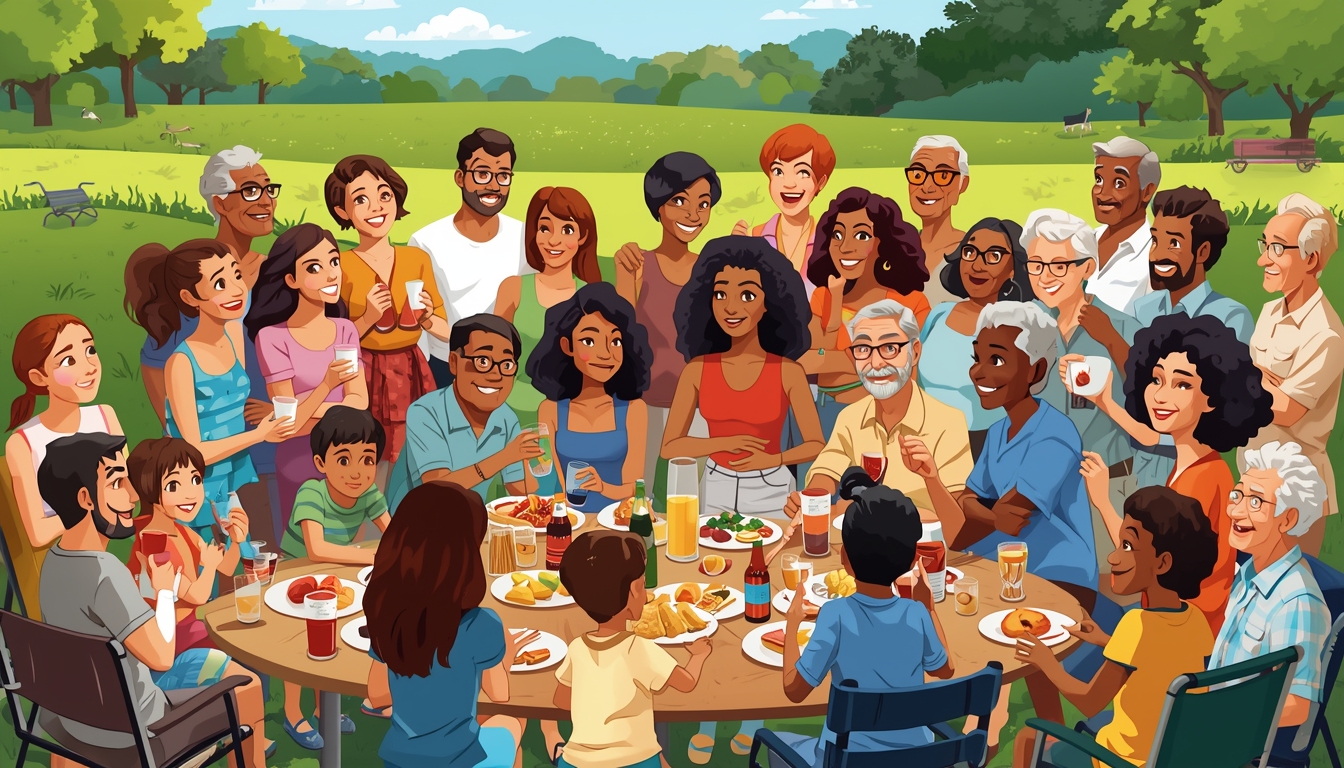
Get Started →Family reunions have all the same seating challenges as weddings, plus a few unique ones. You're bringing together people who might not have seen each other in years, across three or four generations, with all the old dynamics intact. The seating chart can make the difference between a reunion where everyone catches up and one where each family nucleus stays in its own corner all afternoon.
This guide covers how to plan family reunion seating that actually brings people together, from small gatherings to 100+ person events.
Why Family Reunion Seating Matters More Than You Think
At a wedding, guests are there for the couple. At a corporate event, they're there for the agenda. At a family reunion, there's no central focal point. If you don't give people a reason to mingle, they'll stick to whoever they came with.
A good seating plan does three things:
- Breaks up the "nuclear family huddle" so cousins, aunts, and uncles actually talk to each other
- Keeps young children with their parents so families aren't stressed
- Respects family tensions without letting them ruin the day
Without a seating plan, people fall into familiar groupings and miss the whole point of the reunion. With one, you engineer the reconnections that everyone came for.
Step 1: Understand Your Guest List
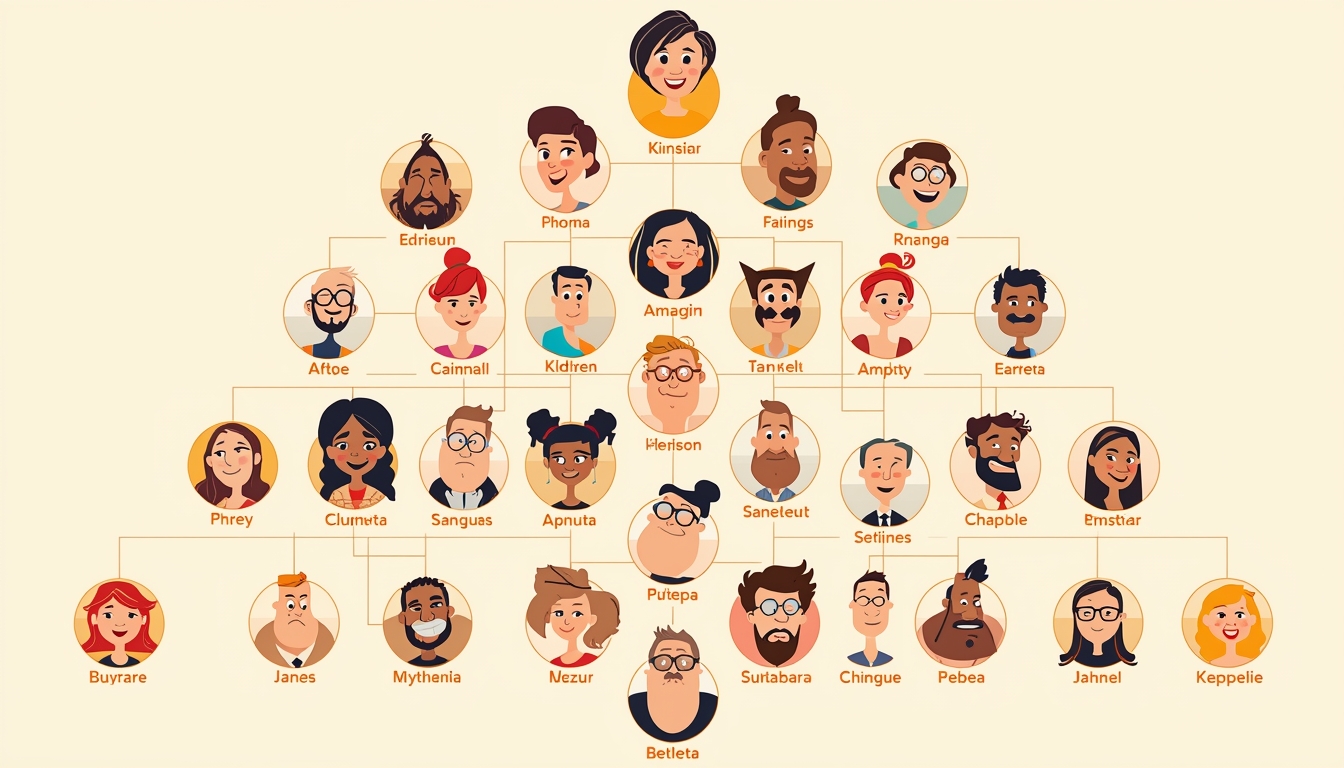
Before you touch the floor plan, map out who's coming and how they're related. For a family reunion, group guests by:
- Generation — grandparents, parents/aunts/uncles, cousins, children
- Branch of the family — which sibling, grandparent, or great-grandparent they descend from
- Nuclear family unit — who came together (spouses, kids)
- Age of children — under 5, elementary age, teenagers
- Known tensions — old disputes, divorces, family drama
- Accessibility needs — mobility issues, hearing impairments, dietary requirements
A spreadsheet or guest list tool makes this much easier than trying to remember it all. Our guest list template guide covers the fields worth tracking, and most of them apply to reunions too.
Step 2: Choose a Layout That Encourages Mixing
The layout you choose shapes how people interact. Some arrangements encourage mingling, others entrench the status quo.
Round tables (best for most reunions)
Round tables of 8–10 are the best default for family reunions. Everyone at the table can see and talk to each other, and the seating is natural for extended conversation. They also make it easy to mix branches of the family without anyone feeling stuck.
Long banquet tables
Long rectangular tables work for smaller, more intimate reunions (under 40 people). They create a "family dinner" feel. The downside is that guests mainly talk to the three or four people nearest them, so you have less control over who connects with whom.
Mixed tables with a kids' area
For reunions with lots of children, set up one or two dedicated tables for kids near their parents. This lets the adults have real conversations without constantly managing the younger generation.
U-shape or open square
For very small reunions (20 people or fewer), arrange tables in a U or open square so everyone can see everyone. This only works at small scale.
For more layout ideas based on the size of your gathering, see our floor plan ideas guide. The guest count categories and layout principles apply to any large event.
Step 3: Decide Your Seating Strategy
There are three main approaches to family reunion seating. Pick one before you start assigning seats.
Strategy A: Mix the branches
Deliberately seat people from different sides of the family together. Your Uncle Steve's kids sit with Aunt Linda's kids. The cousins who barely know each other end up at the same table.
This is the most powerful strategy for actually reconnecting the family. It's also the one that takes the most thought, because you're overriding the "stick with your own" instinct.
When to use it: Most reunions, especially if the family has drifted apart or if several cousins have never really met.
Strategy B: Seat by branch
Each branch of the family (descendants of one sibling or grandparent) sits together. Uncle Steve's family at one table, Aunt Linda's at another.
This is simpler and more comfortable, but it reinforces existing groupings. People will catch up within their branch but may never talk to the other branches.
When to use it: Small reunions where one long table seats everyone, or very large reunions where strict branch seating is the only way to manage the logistics.
Strategy C: Seat by generation
All the grandparents at one table, all the adults at another, all the teens at another, all the younger kids at a kids' table.
This works well for events with a program (speeches, slideshows, awards) because each generation has a similar attention span and similar interests. It's less effective for pure social reunions because you lose the cross-generational connections.
When to use it: Milestone events (grandparents' anniversary, multi-generational celebrations) where each generation might want to honor or celebrate differently.
Step 4: Handle Kids and Families
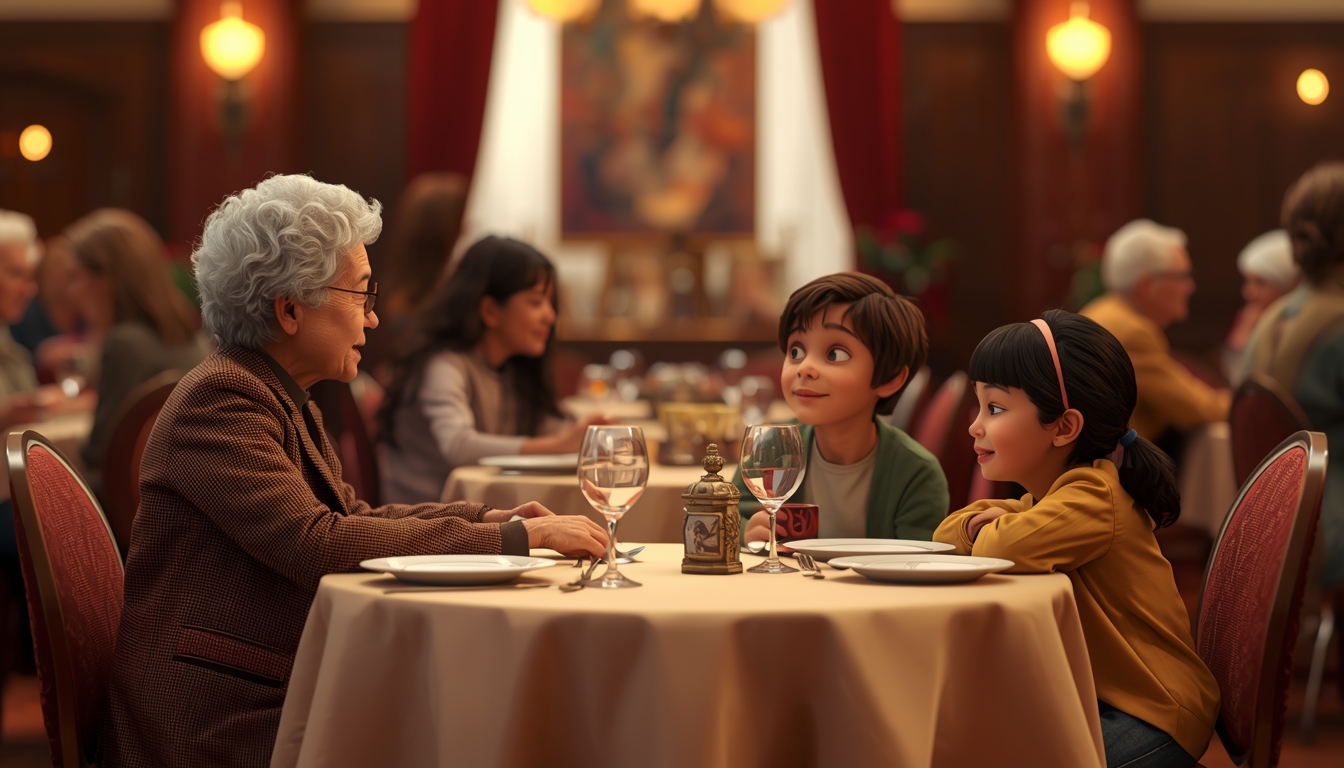
Family reunions usually have more children than weddings, and handling them well is critical to keeping everyone (parents especially) happy.
Young children (under 6)
Always seat young children with their parents. Don't try to save space by putting toddlers at a separate table, it won't work. Parents will end up moving back and forth, food will spill, and the kids will cry.
Plan for high chairs or booster seats where needed. Confirm with your venue that they have them, or bring your own.
Elementary age (6–12)
A dedicated kids' table often works well for this age range, as long as it's near their parents' tables and there are enough kids to make it fun. A table of 6–8 kids becomes its own little social group, and the parents get a break.
Don't set up a kids' table if you only have two or three children attending. They'll feel isolated. Seat them with their families instead.
Teenagers (13+)
Teenagers are in a weird spot. They don't want to sit at the kids' table, but they also don't always want to sit with their parents. If you have 3 or more teenagers attending, give them their own table. They'll be thrilled to have their own space.
If you only have 1–2 teens, seat them with their family or let them choose where to sit.
Step 5: Handle Family Tensions
Every family has them. Divorced aunts and uncles, cousins who had a falling out, in-laws who don't get along, old disputes nobody talks about but everyone knows. The seating chart is where you defuse these before they become a problem.
Divorced relatives
If Aunt Susan and Uncle Dave are divorced but both still come to family events, seat them at separate tables, ideally not directly facing each other. They don't need to pretend they don't exist, but they also shouldn't be elbow-to-elbow.
The same logic we covered in our divorced parents seating guide applies to extended family reunions, just scaled down.
Old disputes
If two family members had a falling out years ago, don't put them at the same table just because you hope they'll reconcile. That's not your job as the reunion organizer. Separate them and let the day pass without incident.
In-laws
Some in-laws integrate fully into the family, others still feel like outsiders. Seat them with their spouse at a table where they know people, not at a table of distant cousins they've never met.
The relative nobody likes
Every family has one. Don't isolate them (that's cruel), but don't seat them at the most prominent table either. Place them at a table with the most patient, tolerant members of the family, ideally people who can handle them without getting drawn into drama.
Step 6: Accommodate Elderly Relatives
Grandparents, great-aunts and uncles, and any elderly relatives need extra thought:
- Near the entrance or restroom so they don't have to navigate far
- Away from loud music or speakers — hearing aids amplify background noise and make conversation difficult
- With people they know, so they're not trying to follow conversations with strangers
- At round tables rather than long benches, which are easier to get in and out of
- At a table where someone can help if they need assistance with food, walking, or medication
If the matriarch or patriarch of the family is still alive, give them a prominent seat. Not a separate "VIP table" (that feels weird at a family event), but a central round table where they're surrounded by their children and grandchildren and everyone can easily stop by to greet them.
Step 7: Plan the Flow, Not Just the Tables
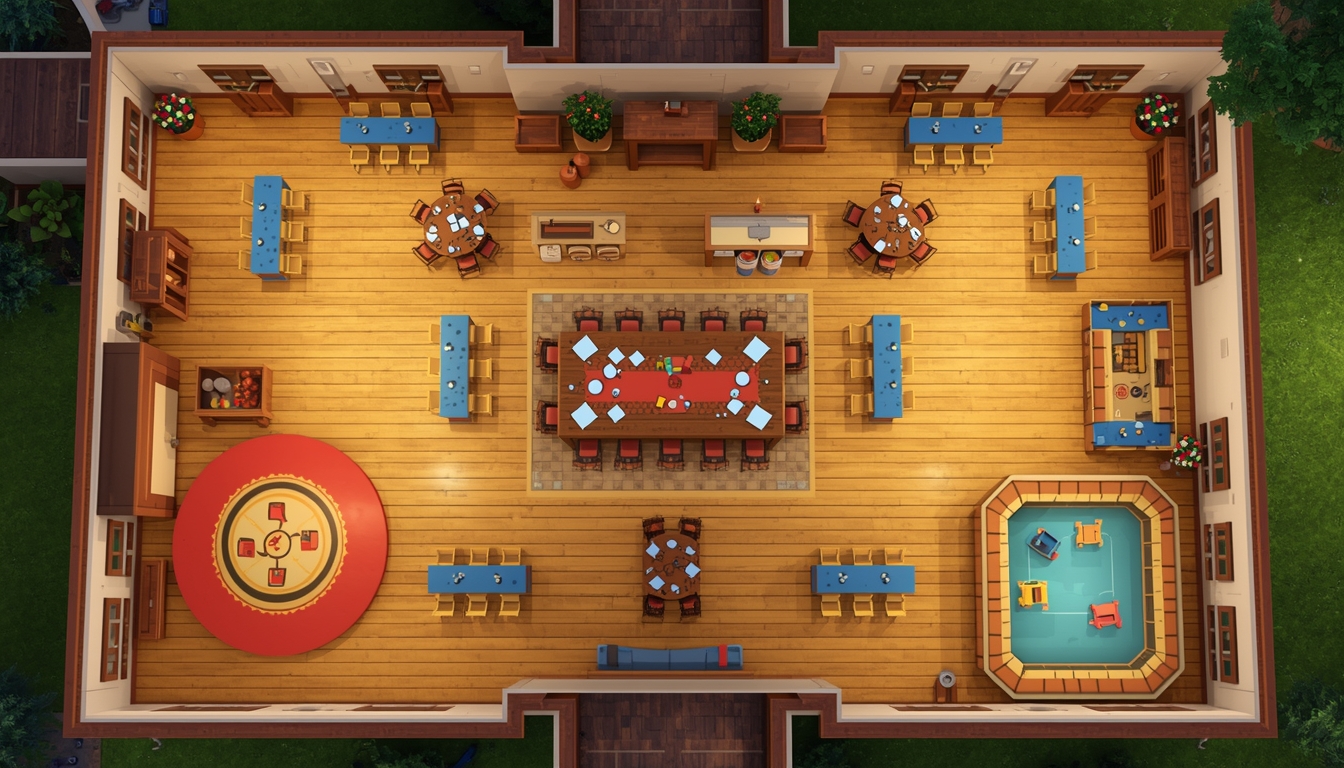
A reunion isn't a three-hour dinner. People move around, refill plates, step outside, gather around the cake. Think about the flow:
- Food service: Buffets work better than plated dinners at reunions because they encourage people to stand up and mingle. Guests will end up chatting in line and drifting between tables.
- Drink station: Place it in a central, accessible spot. Don't put it in a corner where people get stuck.
- Photo area: If you're doing group photos, designate a spot and a time. Don't try to pull the whole family outside spontaneously.
- Activity area: If there are games, a memorial display, a slideshow, or a kids' activity, place it so it encourages movement through the space, not congestion.
A visual floor plan helps you think about flow, not just table placement. MySeatPlan lets you place tables, mark activity areas, and see the whole room at once so you can spot problems before the day.
Common Family Reunion Seating Mistakes
- No seating plan at all. "Sit wherever you want" sounds relaxed but leads to each nuclear family sitting in its own cluster and never talking to anyone else.
- Grouping everyone by last name. Last names don't track family closeness, especially after marriages, divorces, and remarriages. Seat by actual relationships.
- Ignoring the kids. Reunions with unhappy children become stressful reunions. Plan for the kids up front: where they'll sit, what they'll eat, what they can do.
- Seating the oldest relatives in a corner. Grandparents should be central, not tucked away. Everyone wants access to them.
- Forcing reconciliation. Don't use the seating chart to try to fix old family disputes. It won't work, and it'll create tension in front of everyone.
- Not sharing the layout in advance. For large reunions, email the seating plan or post it at the entrance. Guests shouldn't have to wander looking for their table.
For Very Large Reunions (100+ People)
If you're hosting a reunion with 100 or more attendees, you're essentially running an event. Treat it that way:
- Create a clear seating chart display at the entrance with table numbers
- Number each table visibly with a card or sign
- Assign a point person for each branch of the family to help guests find their spots
- Consider sections or zones rather than trying to manage 15 tables as a single group
- Build in a welcome or announcement at the start so everyone knows the structure for the day
- Keep 2–3 buffer seats for late arrivals or unexpected guests
At this scale, trying to manage the seating chart on paper or in a spreadsheet becomes painful. A visual tool lets you drag guests between tables and see the whole room, which is much faster when you're juggling 100+ names.
Family Reunion Seating Checklist
- Map out generations, branches, and nuclear families before assigning seats
- Choose a seating strategy (mix branches, by branch, or by generation) based on your goals
- Plan dedicated tables for kids or teenagers if you have enough of them
- Separate divorced relatives and known conflicts by at least one table
- Seat elderly relatives centrally, with people they know, away from loud areas
- Think about food, drinks, photos, and activities as part of the flow
- Share or display the seating plan at the entrance
- Keep buffer seats for unexpected attendees
Family reunions are one of the few events where the seating chart directly shapes whether people actually reconnect. A little planning goes a long way. For a full walkthrough of the seating chart process, see our step-by-step guide. The process is the same for any large gathering.
Frequently asked questions
-
To organize seating for a large family reunion, start by grouping guests by family branch, generation, and relationships. Then choose a seating strategy (mixing groups or keeping families together) and assign tables accordingly. A visual tool like MySeatPlan helps you manage large groups and adjust layouts easily.
Plan your perfect event seating arrangement
MySeatPlan gives you everything you need to organize your big day — all in one place.
- Drag-and-drop seating chart
- Guest list with RSVP tracking
- Export seating charts as images & PDF
- Share your plan with others via shareable link
- Design your invitation card
- Guest photo & video uploads