How to Seat Divorced Parents at a Wedding (Without the Drama)
 MySeatPlan
·
MySeatPlan
·
A practical guide to seating divorced parents at your wedding. Covers separate tables, stepparents, new partners, blended families, and what to do when the situation is complicated.

Ready to create your own event seating chart?
Try our free drag-and-drop seating chart builder.
Get Started →If your parents are divorced, the seating chart is probably the part of wedding planning you've been dreading most. Where do they sit? What about stepparents? What if they can't be in the same room without tension?
The good news is that this is one of the most common wedding seating challenges, and there are clear, tested approaches that work. The key is planning ahead rather than hoping it sorts itself out on the day.
The Golden Rule: Separate Tables, Always
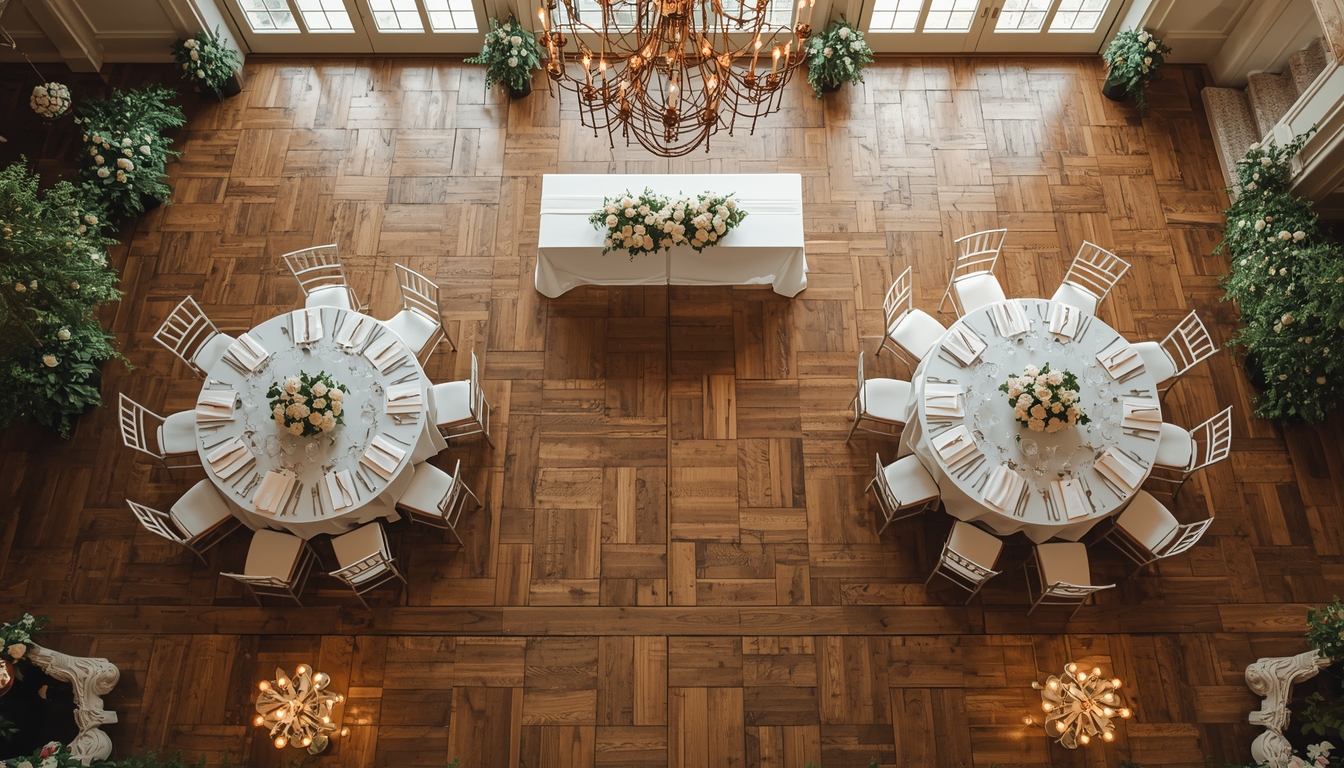
Unless your divorced parents are genuinely close friends (and you're sure, not just hoping), seat them at separate tables. This applies even if they say they're fine sitting together. A wedding is emotional, alcohol is flowing, and "fine" can change quickly.
Separate tables means:
- Each parent gets their own table with their own guests
- Both tables are at a similar distance from the couple, so neither parent feels demoted
- There is at least one table between them, not just opposite sides of the same table
This isn't about taking sides. It's about removing the possibility of an uncomfortable moment and letting both parents relax and enjoy the evening.
Where to Seat Each Parent
Both parents should be at prominent tables near the front of the room. This is important. Putting one parent at a great table and the other in the back sends a message to everyone in the room, even if you didn't mean it.
Option 1: Each parent with their own family
The simplest approach. Mom sits with her siblings, her parents (your maternal grandparents), and her closest friends. Dad does the same with his side. Each parent is surrounded by people who love them and the evening feels natural for everyone.
Option 2: Each parent with their closest friends
If extended family is limited or if family dynamics are complicated on both sides, seat each parent with their own friends instead. This works well when the divorce was difficult and even extended family members have taken sides.
Option 3: Mixed approach
One parent with family, the other with friends. This happens naturally when one side of the family is larger or when one parent has remarried into a new family that's attending. Don't overthink the symmetry, just make sure both parents have a full table of people they're comfortable with.
Stepparents and New Partners
This is where it gets sensitive, but the rule is straightforward: a new partner sits with their partner. Always.
If your mom has remarried, your stepdad sits next to her at her table. If your dad is dating someone, that person sits with him. Don't seat a new partner at a separate table to "keep things simple." That's hurtful to the partner and awkward for your parent.
What if you're not close with the stepparent?
They still sit with your parent. Your personal relationship with a stepparent doesn't change the fact that they're your parent's partner. Seating them separately implies they don't belong, which creates exactly the kind of tension you're trying to avoid.
What if both parents have remarried?
Each parent sits at their own table with their current spouse. This actually makes things easier, not harder, because both tables have a natural couple at the center and you can fill the rest with family or friends from each side.
Blended Families: Stepsiblings and Half-Siblings
If your parents' remarriages brought stepsiblings or half-siblings into the picture, you have a choice:
- Seat them with the parent they came with. Your dad's stepdaughter sits at your dad's table. Simple and clear.
- Seat them with the wedding party or friends if they're close to your age and part of your social circle. A 25-year-old stepsibling might prefer sitting with your friends over sitting with their parent.
Ask them what they'd prefer. Blended family members often feel caught in the middle at weddings, and letting them choose shows consideration.
The Head Table With Divorced Parents
If you're using a traditional head table, here's where divorced parents get tricky. The classic arrangement puts both sets of parents at the head table, which obviously won't work if your parents can't sit together.
You have three options:
Skip the head table entirely
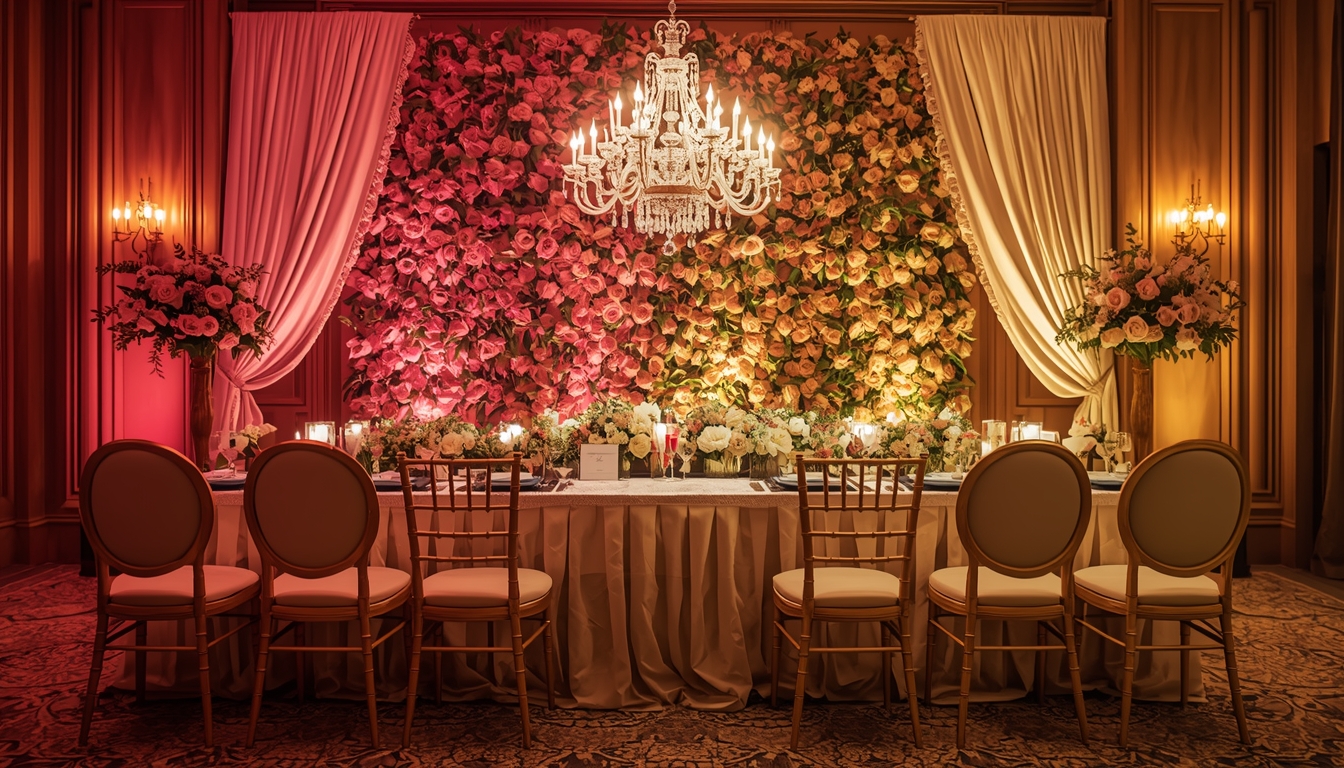
Use a sweetheart table for just you and your partner. Both sets of parents sit at their own tables nearby. This is the easiest solution and the one most couples with divorced parents choose. No one has to sit next to anyone they don't want to, and you avoid the "who sits closer to the couple" problem entirely.
Head table with one parent, the other at a VIP table
If one parent raised you and the other is more distant, it's acceptable to have the closer parent at the head table and the other at a prominent nearby table. Be aware that this will be noticed, so only do it if it reflects the actual relationship.
No parents at the head table
Keep the head table for the couple and the wedding party only. Both parents sit at their own nearby tables. This is diplomatic and avoids any appearance of favoritism.
We cover head table arrangements in more detail in our seating chart etiquette guide.
Extended Family Dynamics
Divorce doesn't just affect the parents. It ripples through the extended family. Your maternal grandmother might refuse to sit near your dad's new wife. Your uncle might have strong opinions about who "deserves" the better table.
When extended family has taken sides
Keep each parent's supporters at their table or in their section of the room. Don't try to mix families that are divided. Seating your mom's sister at your dad's table as a peace offering will make everyone uncomfortable.
When grandparents are involved
Grandparents should sit with their own child (your parent), not with the ex-spouse's family. If your paternal grandparents have stayed close with your mom, that's a nice exception, but check with both sides before assuming.
When it's been decades
If the divorce happened 20 years ago and everyone has moved on, you may have more flexibility. Some families genuinely are fine sharing a table at this point. But "fine" should be confirmed, not assumed. Ask each parent privately: "Would you be comfortable sitting near [ex-spouse]?" Take the more cautious answer.
Multiple Divorces and Remarriages
Some families have layers of complexity: a parent who has been married three times, multiple sets of step-siblings, ex-stepparents you're still close with. Here's how to handle it:
- Current spouse always sits with your parent. No exceptions.
- Ex-stepparents you're close with can be invited but should sit at a friend table, not at either parent's table. Placing them near your parent's current spouse creates unnecessary tension.
- If a parent has multiple exes attending, spread them across different tables. They don't need to be near each other or near your parent.
- Half-siblings from different marriages can sit together if they're close, or with their respective parent if they're not.
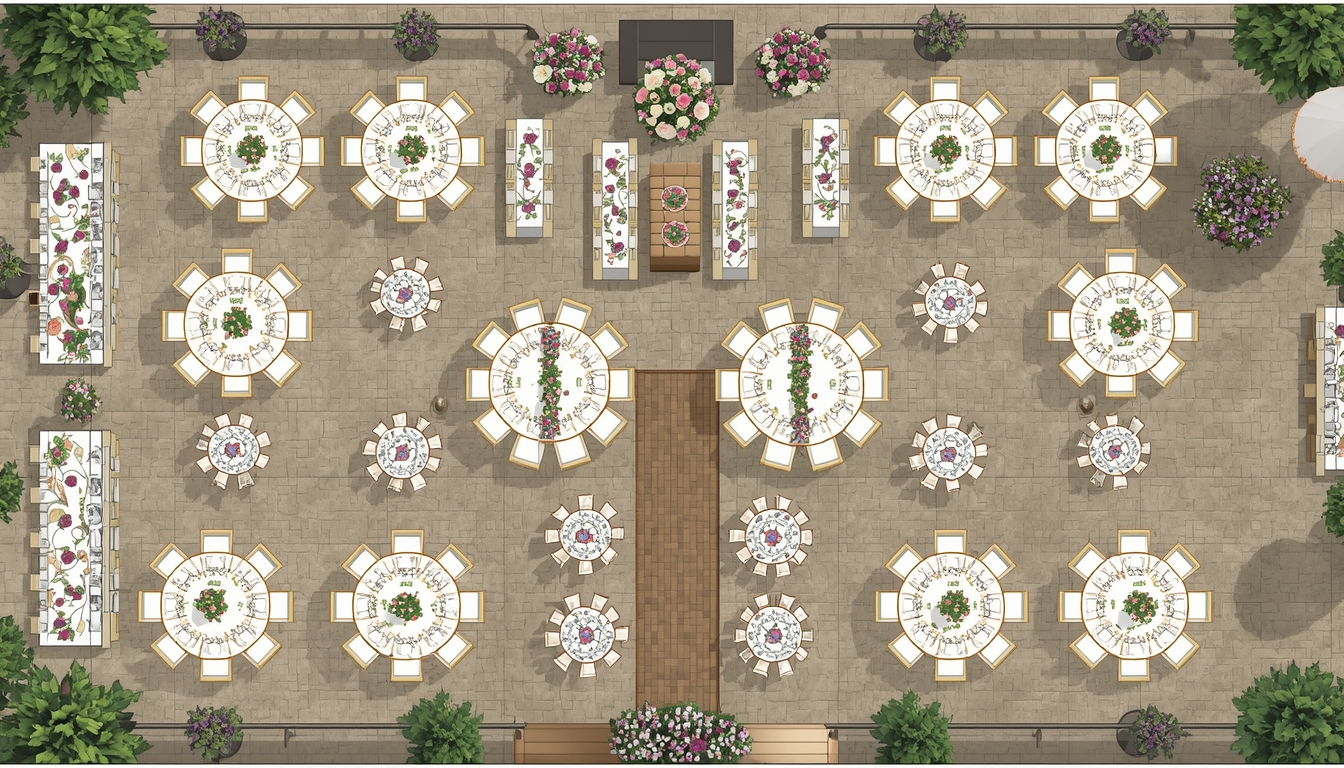
The more complex the family situation, the more important it is to plan this early and use a visual layout where you can see the whole room at once. Tracking these relationships in a spreadsheet is how things get missed.
What to Do When a Parent Complains About Their Seat
It might happen. A parent sees the seating chart and feels slighted. Here's how to handle it:
- Listen, but don't rearrange everything. Acknowledge their feelings. Explain your reasoning. But don't rebuild the entire chart to appease one person.
- Remind them it's about comfort, not ranking. "I wanted to make sure you were surrounded by people you love" is a better frame than "I had to put you here because of dad."
- Don't share the other parent's table assignment. Telling your mom "Dad is at table 3 and you're at table 5" invites comparison. Just tell each parent where they're sitting and who they're with.
- If it's really bad, make a small adjustment. Maybe swap one person at their table for someone they'd prefer. A small change can make a big difference without disrupting the whole plan.
Checklist: Divorced Parent Seating
Before you finalize your chart, run through this:
- Are both parents at tables of equal prominence?
- Is there at least one buffer table between them?
- Does each parent have their current partner seated beside them?
- Are extended family members seated with the parent they're aligned with?
- Have you asked both parents privately if they're comfortable with the arrangement?
- Have you avoided putting ex-partners near each other or near current spouses?
If every answer is yes, you're done. Don't second-guess it.
Putting It Together
Divorced parent seating is one of those things that feels overwhelming in your head but becomes manageable the moment you can see the whole room laid out visually. Being able to place tables and drag guests around makes it much easier to test different arrangements and spot problems before they happen.
If you're ready to start building your layout, try MySeatPlan for free. For the full seating chart process from start to finish, see our step-by-step guide. And for a quick list of things to watch out for, check our common mistakes guide.
Frequently asked questions
-
Divorced parents should be seated at separate tables, each with their own family or friends. Both tables should be equally prominent and placed at a similar distance from the couple. This setup avoids tension and ensures both parents feel respected and comfortable.
Plan your perfect event seating arrangement
MySeatPlan gives you everything you need to organize your big day — all in one place.
- Drag-and-drop seating chart
- Guest list with RSVP tracking
- Export seating charts as images & PDF
- Share your plan with others via shareable link
- Design your invitation card
- Guest photo & video uploads